Easter Tag: A Creative Design for Seasonal Projects
As a designer who regularly works on branding, packaging, and seasonal campaigns, I always look for reliable graphic design assets that can elevate a project without overshadowing the core message. Easter Tag is one such digital product that offers a fresh, playful approach to holiday-themed design. With its vibrant visuals and versatile application, it’s a strong candidate for real client projects, especially those involving handmade businesses, small business branding, or seasonal marketing efforts.
First Impressions: A Playful Yet Polished Look
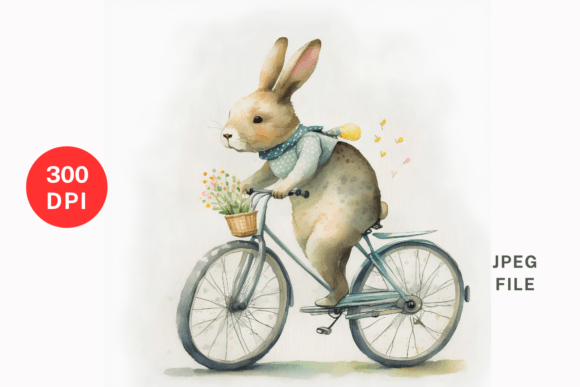
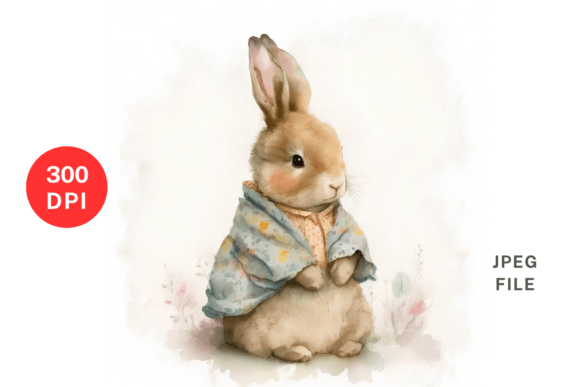
Easter Tag immediately conveys a sense of fun and festivity. The design elements—think pastel colors, whimsical illustrations, and subtle textures—create a warm, inviting mood that aligns well with springtime themes. It feels like a natural fit for creative design projects that aim to evoke joy and celebration. The style is modern but not overly trendy, making it adaptable for both traditional and contemporary brand identities.
The visual language of Easter Tag suggests a handcrafted aesthetic, which makes it ideal for Etsy products, print-on-demand items, or small business branding. Its clean lines and soft color palette also make it suitable for digital ads, social media graphics, and editorial design where a gentle, approachable feel is desired.
Real-World Applications: From Logo Design to Social Media Graphics
In a real client project, Easter Tag could serve as a key element in multiple design areas. For instance, if a client is launching a seasonal line of handmade soaps or greeting cards, this asset could be used as a decorative accent in packaging design, t-shirt design, or product mockups. Its versatility allows it to work well as a sublimation design, sticker design, or even as part of a Canva template for quick social media posts.
For a boutique product line or local event promotion, Easter Tag could act as a hero graphic in posters, flyers, or invitations. Its size and composition make it an effective choice for large layout areas, where it can draw attention without overwhelming the overall design. It also works well as a supporting brand element, adding visual interest to web design, blog visuals, or Pinterest pins.
Best Suited for: Themed Collections and Seasonal Campaigns
Easter Tag shines in projects that require a cohesive, themed look. Whether it's a seasonal campaign for a small business, a handmade brand’s spring collection, or a local event flyer, this design asset can help unify the visual direction. It fits naturally into themed collections, where consistency and visual appeal are essential.
It’s also a great addition to printable designs, such as wall art, calendars, or digital stickers. When used in commercial design or print-on-demand projects, it adds a polished touch that can enhance the perceived value of the final product.
Use with Caution: Minimalist Branding and Corporate Projects
While Easter Tag is visually appealing, it may not be the best choice for minimalist branding or professional corporate materials. Its playful style might clash with a clean, modern design that requires strict visual hierarchy. In low-contrast environments or crowded layouts, it could lose clarity and become distracting.
For projects that demand a more serious tone, such as financial services, legal documents, or high-end fashion branding, Easter Tag may not align with the intended brand voice. It’s important to consider the audience and context before integrating it into a design concept.
Impact on Readability and Brand Consistency
When used appropriately, Easter Tag enhances readability by providing a clear focal point without competing with text. Its placement should be strategic—perhaps as a background element or a border in a poster or brochure. This helps maintain a balanced visual hierarchy while still contributing to the overall aesthetic.
Brand consistency is another key factor. If a client has an established visual identity, Easter Tag should complement rather than contradict it. Testing it alongside existing fonts, colors, and logos can help ensure a seamless integration. It’s also wise to check how it looks in black and white, as this can reveal potential issues with contrast or legibility.
Practical Designer Notes: What to Check Before Use
Before using Easter Tag for a client project, there are several practical considerations. First, test it at different sizes to ensure it remains sharp and readable. Preview it on real mockups to see how it interacts with other design elements. If it includes PNG transparency, verify that the edges are clean and free of artifacts.
If the asset includes SVG files, check for vector editability to ensure flexibility in resizing and modifying. Compare it with various font styles—serif, sans serif, script, or display—to see how it pairs with different typographic choices. Always confirm the commercial license to avoid any legal issues when using it for a client or business project.
Conclusion: A Useful Addition for Seasonal and Creative Projects
Easter Tag is a solid graphic design asset that can add personality and polish to a wide range of projects. Its playful yet refined style makes it ideal for creative design, printable design, and seasonal campaigns. Whether you're working on a handmade business, an Etsy product, or a local event promotion, it offers a versatile solution that can enhance the visual appeal of your work.
By understanding its strengths and limitations, designers can use Easter Tag effectively to support their creative vision while maintaining professionalism and brand alignment. It’s a valuable addition to any design bundle, especially for those working in the creative marketplace or focusing on small business branding.